
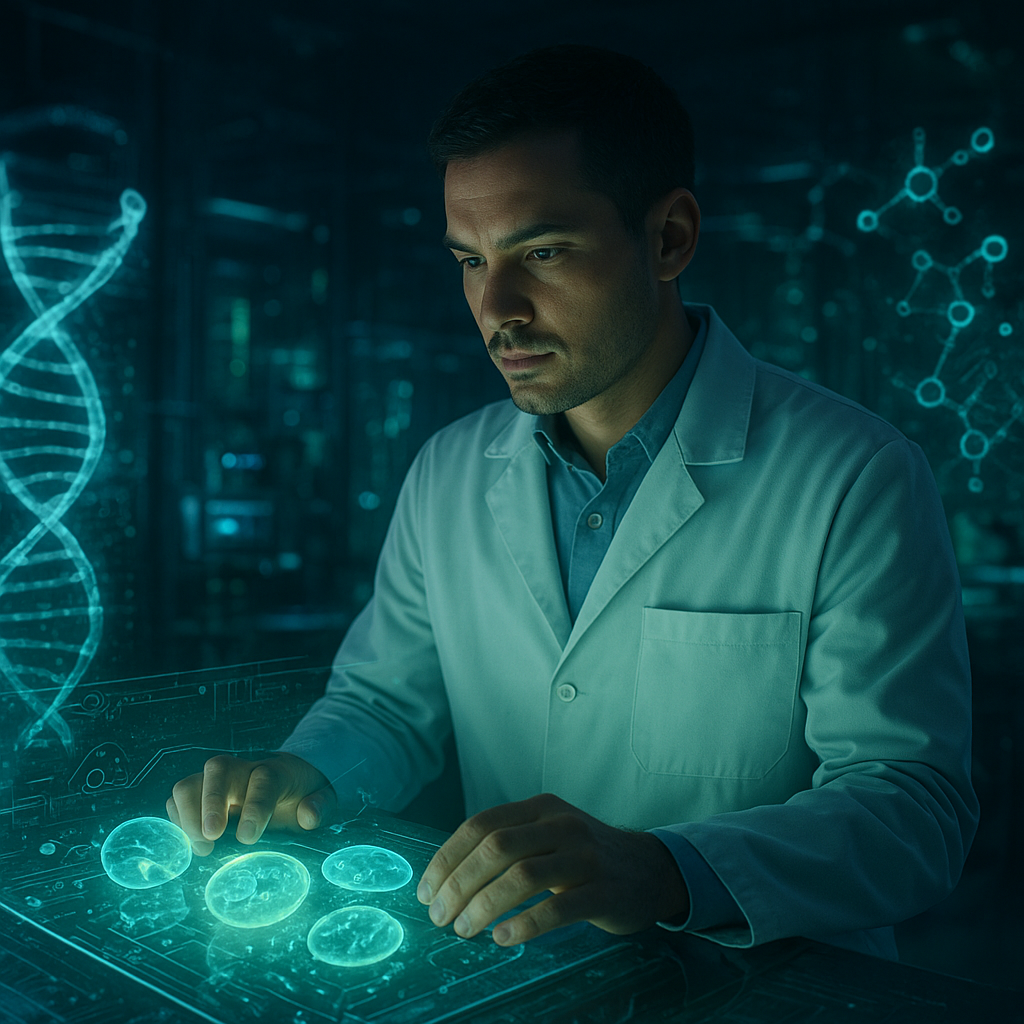
Imagine programming a living cell the way you’d write software — giving it instructions to detect cancer, produce insulin on demand, or even repair damaged tissue. That’s not science fiction anymore. Synthetic biology is doing exactly that, and its impact on modern healthcare is nothing short of revolutionary.
Synthetic biology sits at the crossroads of biology, engineering, computer science, and chemistry. It involves designing and constructing new biological parts, devices, and systems — or redesigning existing ones found in nature — for useful purposes. In healthcare, this translates to an entirely new toolkit for diagnosing disease, developing therapies, and manufacturing medicines in ways that were simply impossible a generation ago.
Over the past decade, the field has accelerated dramatically. The global synthetic biology market was valued at approximately $13.9 billion in 2022 and is projected to reach over $50 billion by 2030, with healthcare and pharmaceuticals driving a significant portion of that growth. The question isn’t whether synthetic biology will reshape medicine — it already is. The more interesting question is just how deep those changes will go.
What Exactly Is Synthetic Biology in a Medical Context?
At its core, synthetic biology in medicine means engineering biological systems — cells, proteins, genetic circuits — to perform specific therapeutic or diagnostic functions. Unlike traditional genetic engineering, which typically involves moving a single gene from one organism to another, synthetic biology takes a more holistic, systems-based approach. Researchers don’t just borrow from nature; they write entirely new biological “code.”
Think of it this way: conventional medicine often works by blocking or supplementing natural processes. Synthetic biology aims to reprogram those processes at the source. This fundamental difference opens up possibilities that conventional pharmacology simply can’t match.
Key Components Driving Medical Synthetic Biology
- Genetic circuits: Engineered sequences of DNA that act like logic gates, switching cellular behavior on or off in response to specific signals
- Chassis organisms: Simplified host cells — like E. coli or yeast — that serve as biological “platforms” for building new functions
- Standardized biological parts (BioBricks): Modular genetic components that researchers can mix and match to build complex biological systems
- CRISPR-Cas9 and gene editing tools: Precision instruments for modifying DNA sequences with unprecedented accuracy
- Metabolic engineering: Redesigning cellular metabolic pathways to produce specific compounds, including drugs and vaccines
Transforming Drug Discovery and Development
One of the most immediate and impactful applications of synthetic biology in healthcare is pharmaceutical manufacturing. Traditionally, producing complex biological drugs — like insulin, growth hormones, or cancer therapies — was expensive, slow, and often dependent on animal-derived materials. Synthetic biology is changing that calculus entirely.
A landmark example is the production of artemisinin, an antimalarial drug originally extracted from the sweet wormwood plant. Researchers at UC Berkeley engineered yeast to biosynthesize artemisinic acid — a precursor to artemisinin — dramatically cutting production costs and improving global access to the drug. This wasn’t just a win for science; it was a public health breakthrough for millions of people in malaria-endemic regions.
The same logic is being applied across dozens of drug categories. Synthetic biology platforms can now produce:
- Recombinant proteins and antibodies for cancer and autoimmune treatment
- Novel antibiotics to combat drug-resistant bacteria
- Complex lipid nanoparticles for mRNA vaccine delivery (as seen in COVID-19 vaccines)
- Biosimilars at lower manufacturing costs
The mRNA vaccine story is particularly illustrative. The rapid development of COVID-19 vaccines by Pfizer-BioNTech and Moderna leaned heavily on decades of synthetic biology research. Engineering stable mRNA sequences and the lipid nanoparticles to deliver them — that’s synthetic biology at work, even if the headlines didn’t always frame it that way.
Personalized Medicine: Biology Tailored to You
One of the most exciting promises of synthetic biology is its potential to make medicine genuinely personal — not just in terms of dosage or lifestyle advice, but at the genetic and cellular level.
Personalized medicine has been a buzzword for years, but synthetic biology is giving it real teeth. By engineering therapies that respond to a patient’s specific genetic profile, disease biomarkers, or even real-time physiological signals, clinicians can move beyond the one-size-fits-all model that has defined medicine for centuries.
CAR-T Cell Therapy: Reprogramming the Immune System
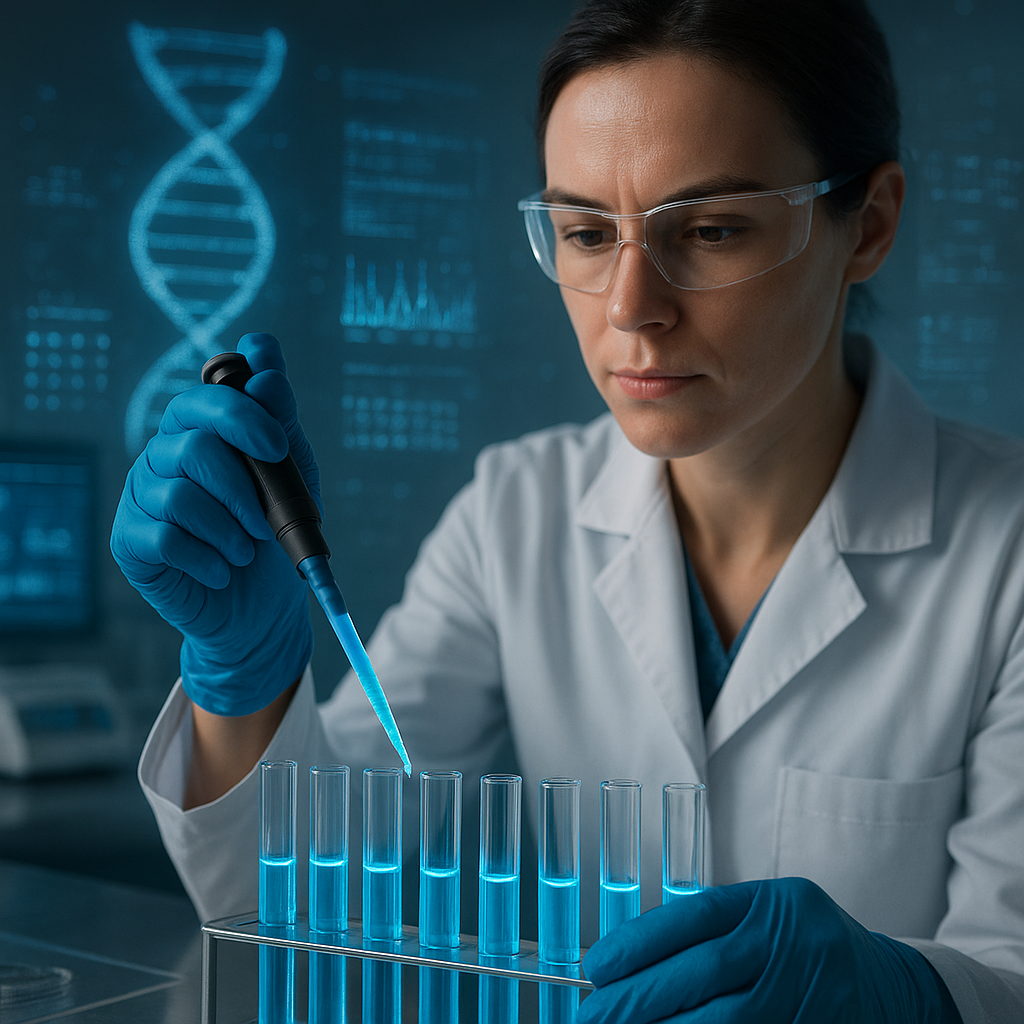
CAR-T (Chimeric Antigen Receptor T-cell) therapy is perhaps the most dramatic example of synthetic biology applied to personalized medicine. In this approach, a patient’s own T-cells are extracted, genetically reprogrammed to recognize and attack specific cancer cells, then reinfused into the body.
The results have been remarkable in certain blood cancers. In clinical trials for B-cell acute lymphoblastic leukemia, CAR-T therapies have achieved remission rates exceeding 80% in patients who had failed all other treatments. The FDA has approved several CAR-T products, including Kymriah and Yescarta, signaling that this approach has crossed from experimental to clinical reality.
What makes this a synthetic biology story rather than just a genetic engineering one is the sophistication involved. Modern CAR-T designs incorporate genetic circuits that can fine-tune T-cell behavior — controlling when the cells activate, how vigorously they respond, and even programming kill switches to prevent dangerous overreactions.
Synthetic Biology and Precision Diagnostics
Detection is half the battle in medicine. The earlier a disease is identified, the better the outcomes tend to be. Synthetic biology is enabling a new generation of diagnostics that are faster, cheaper, and more sensitive than traditional methods.
CRISPR-based diagnostic tools, such as the SHERLOCK and DETECTR platforms, can identify specific genetic sequences from viruses, bacteria, or tumor cells with extraordinary precision. These systems were rapidly adapted during the COVID-19 pandemic to create rapid, low-cost diagnostic tests. Beyond infectious disease, they’re being developed to detect cancer mutations from a simple blood sample — what’s known as a liquid biopsy.
Engineering Bacteria as Living Medicines
One of the more striking frontiers in synthetic biology is the idea of using engineered bacteria as therapeutic agents — essentially, living drugs that can sense, respond, and act within the body.
The human gut microbiome is an obvious target. Companies like Synlogic are engineering probiotic bacteria to perform specific metabolic functions — for instance, breaking down excess ammonia in patients with urea cycle disorders, or producing anti-inflammatory molecules in the gut. These “living medicines” can detect disease signals and respond in real time, something no conventional pill can do.
Early-phase clinical trials have shown encouraging safety profiles, and the approach holds particular promise for metabolic diseases, inflammatory bowel disease, and even certain cancers. The concept of sending a genetically programmed microorganism into the body to perform therapeutic work would have seemed like science fiction twenty years ago. Today, it’s in clinical trials.
Challenges and Ethical Considerations
For all its promise, synthetic biology in healthcare comes with legitimate challenges that researchers, regulators, and society at large are grappling with.
Safety and Containment
Engineering living organisms means introducing new biological entities into complex systems — whether that’s the human body, a manufacturing environment, or the broader ecosystem. Ensuring that engineered cells behave as intended and don’t have unintended effects is a central concern. Genetic kill switches, auxotrophic organisms (which can’t survive outside controlled conditions), and extensive pre-clinical testing are all tools being used to address this, but no system is foolproof.
Regulatory Frameworks
Regulatory bodies like the FDA and EMA are still developing frameworks that keep pace with how rapidly synthetic biology is evolving. CAR-T therapies, gene therapies, and living medicines don’t fit neatly into existing drug categories, which can create uncertainty for developers and delays for patients who need these treatments.
Equity and Access
Many synthetic biology therapies are extraordinarily expensive. Kymriah, for example, carries a list price of around $475,000 per treatment. While the clinical outcomes may justify the cost in certain cases, ensuring that transformative therapies reach patients across different income levels and healthcare systems remains an unresolved — and urgent — challenge.
Ethical Dimensions of Genetic Modification
The ability to edit human genomes raises profound ethical questions about consent, heritability, and the line between treatment and enhancement. The scientific community broadly supports somatic gene editing (modifying non-reproductive cells) for treating disease. Germline editing — changes that would be inherited by future generations — is a far more contested area, and most countries have strict prohibitions or moratoriums in place. These ethical implications of emerging technologies extend well beyond biology alone, touching on governance, equity, and the boundaries of human intervention.
The Road Ahead: What’s Coming in Synthetic Biology Healthcare
The pace of innovation in synthetic biology suggests that the developments of the last decade may be just the opening act. Several emerging areas are worth watching closely.
Synthetic Biology and Organ Regeneration
Researchers are exploring how synthetic biology could contribute to tissue engineering and regenerative medicine. By programming stem cells with specific genetic instructions, scientists aim to grow functional tissues and potentially even organs outside the body. While full organ replacement remains a long-term goal, engineered skin grafts, cartilage, and corneal tissue are already in clinical or near-clinical stages.
Programmable Vaccines
The mRNA vaccine platform demonstrated during COVID-19 is just the beginning. Synthetic biology researchers are developing vaccines that can be rapidly reprogrammed to target new pathogens or evolving strains — essentially treating vaccine design as software that can be updated. This could fundamentally change pandemic preparedness and response.
Neural Interfaces and Synthetic Biology
At the frontier of synthetic biology and neuroscience, researchers are experimenting with engineered cells that can interface with the nervous system — sensing neural signals and responding with targeted drug release or electrical stimulation. This remains largely experimental, but the implications for neurological and psychiatric conditions are immense. The convergence of biology and digital technology in this space shares conceptual ground with broader real-world applications of immersive technology, as both fields explore new ways of blending the physical and the engineered.
Conclusion
Synthetic biology is not a distant concept confined to research papers and academic conferences. It is actively reshaping how diseases are diagnosed, how drugs are manufactured, how cancer is treated, and how medicine can be personalized to individual patients. From the engineered yeast cells producing antimalarial drugs to the reprogrammed T-cells fighting leukemia, the fingerprints of synthetic biology are already visible across modern healthcare.
The field also carries real responsibilities. Questions about safety, regulatory oversight, equitable access, and ethical boundaries deserve serious attention alongside the enthusiasm for what’s possible. Science moves fast; thoughtful governance needs to keep pace.
What synthetic biology ultimately represents is a shift in perspective — from viewing biology as something to be observed and occasionally manipulated, to treating it as a design medium with extraordinary potential for human benefit. As the tools become more refined and the science matures, the boundary between what biology is and what it can be made to do will continue to expand in ways that will define the future of medicine.